Why Commercial Interior Design Fails Without a Brand Strategy (And the Gap in the Australian Market)
Why Commercial Interior Design Fails Without a Brand Strategy (And the Gap in the Australian Market)
Why Commercial Interior Design Fails Without a Brand Strategy (And the Gap in the Australian Market)
5 min read
5 min read
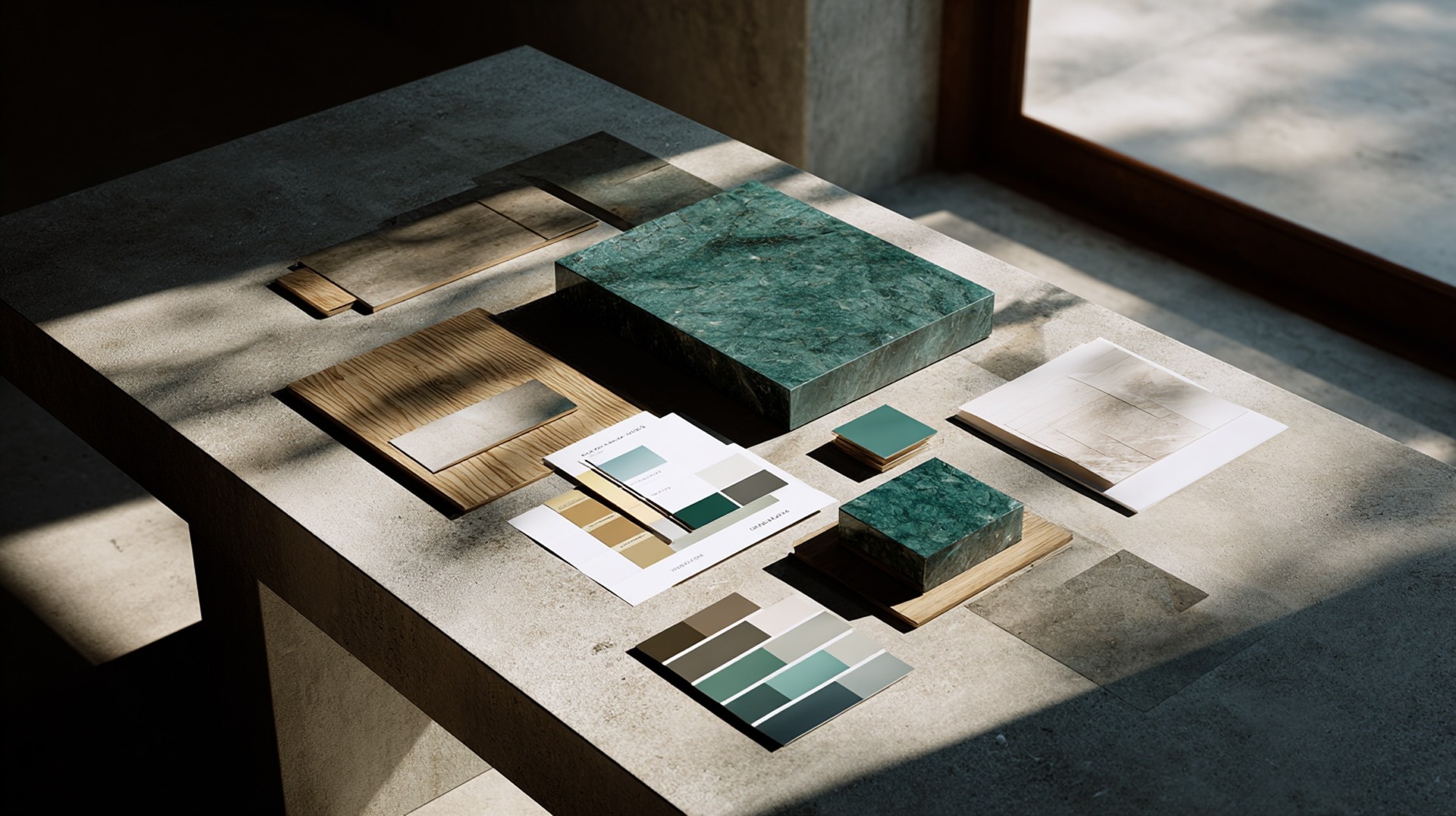
Have you ever walked into a stunning new café or retail store in Sydney, only to forget its name five minutes after leaving? The space was beautiful, the materials were premium, but the experience felt hollow. This is the consequence of a very common problem in the Australian commercial sector: the disconnect between brand strategy and interior architecture. When opening a new hospitality or retail space, most business owners hire a branding agency to design a logo, and then—in a completely separate process—hire an interior designer to fit out the space. At Hillside Architects, we believe this fragmented approach is leaving money on the table. Here’s why your commercial space needs to be designed by someone who understands your brand.
Have you ever walked into a stunning new café or retail store in Sydney, only to forget its name five minutes after leaving? The space was beautiful, the materials were premium, but the experience felt hollow. This is the consequence of a very common problem in the Australian commercial sector: the disconnect between brand strategy and interior architecture. When opening a new hospitality or retail space, most business owners hire a branding agency to design a logo, and then—in a completely separate process—hire an interior designer to fit out the space. At Hillside Architects, we believe this fragmented approach is leaving money on the table. Here’s why your commercial space needs to be designed by someone who understands your brand.
The Problem: When Space and Brand Don't "Speak"
In the traditional models—still widely practiced across Australia—interior designers and brand strategists speak different languages. The result? A "copy-paste" aesthetic. You might end up with an aesthetically pleasing minimalist fit-out, but it does nothing to tell your unique brand story, guide customer behavior, or drive sales.
Only a handful of elite creative agencies in Australia, such as The General Store, have championed the integration of multi-disciplinary retail strategy and spatial design. However, for many small to medium commercial operators, accessing this level of integrated thinking has traditionally been out of reach.
The Asian Blueprint: Total Brand Immersion
If we look at extremely competitive commercial markets like China and broader Asia, the integration of brand and space isn't a luxury; it's the baseline.
From fast-expanding tea brands to immersive dining experiences (like the internationally renowned Haidilao), the physical space is treated as the ultimate touchpoint of the brand identity. The brand’s personality isn't just on the sign outside; it dictates the flow of the kitchen, the texture of the seating, the lighting at the checkout, and the way customers navigate the store.
This holistic approach is why these businesses scale so rapidly—their physical locations are un-replicable 3D advertisements.
Why Commercial Designers Must Be Brand Strategists
At Hillside Architecture and Interior, we bridge the gap between abstract brand concepts and physical construction realities. We believe a commercial architect must be a brand strategist. Here are three reasons why:
Spatial Psychology drives ROI: We don't just pick nice tiles. We design floor plans based on customer journeys—how they enter, where they linger, and how they make purchasing decisions.
Translating 2D to 3D: We take your brand’s core values (whether it's ‘sustainable’, ‘playful’, or ‘ultra-premium’) and translate them into tactile materials, lighting schemes, and bespoke joinery that meet strict Australian building compliance and CDC/DA requirements.
Consistency across touchpoints: From the moment a customer sees your storefront to the moment they interact with your staff at the custom-designed counter, the narrative should be seamless.
The Problem: When Space and Brand Don't "Speak"
In the traditional models—still widely practiced across Australia—interior designers and brand strategists speak different languages. The result? A "copy-paste" aesthetic. You might end up with an aesthetically pleasing minimalist fit-out, but it does nothing to tell your unique brand story, guide customer behavior, or drive sales.
Only a handful of elite creative agencies in Australia, such as The General Store, have championed the integration of multi-disciplinary retail strategy and spatial design. However, for many small to medium commercial operators, accessing this level of integrated thinking has traditionally been out of reach.
The Asian Blueprint: Total Brand Immersion
If we look at extremely competitive commercial markets like China and broader Asia, the integration of brand and space isn't a luxury; it's the baseline.
From fast-expanding tea brands to immersive dining experiences (like the internationally renowned Haidilao), the physical space is treated as the ultimate touchpoint of the brand identity. The brand’s personality isn't just on the sign outside; it dictates the flow of the kitchen, the texture of the seating, the lighting at the checkout, and the way customers navigate the store.
This holistic approach is why these businesses scale so rapidly—their physical locations are un-replicable 3D advertisements.
Why Commercial Designers Must Be Brand Strategists
At Hillside Architecture and Interior, we bridge the gap between abstract brand concepts and physical construction realities. We believe a commercial architect must be a brand strategist. Here are three reasons why:
Spatial Psychology drives ROI: We don't just pick nice tiles. We design floor plans based on customer journeys—how they enter, where they linger, and how they make purchasing decisions.
Translating 2D to 3D: We take your brand’s core values (whether it's ‘sustainable’, ‘playful’, or ‘ultra-premium’) and translate them into tactile materials, lighting schemes, and bespoke joinery that meet strict Australian building compliance and CDC/DA requirements.
Consistency across touchpoints: From the moment a customer sees your storefront to the moment they interact with your staff at the custom-designed counter, the narrative should be seamless.
Conclusion
The Hillside Approach: Design that Performs
Your physical space is your most expensive asset. Don't leave its design to chance. Whether you are launching a boutique retail store on the North Shore or rolling out a multi-site restaurant chain across Sydney, Hillside brings the efficiency of global brand-first design to the Australian market.
Ready to build a space that works as hard as your brand?
Contact Hillside todayfor a commercial fit-out consultation.
Connect with Hillside
Hillside Interior & Architecture
S1705, Level 17, Citadel Towers, Tower B, 799 Pacific Hwy, Chatswood NSW 2067
info@hillsidearchitects.com.au
02 8413 8558
© 2026 Hillside Interior & Architecture
Connect with Hillside
Hillside Interior & Architecture
S1705, Level 17, Citadel Towers, Tower B, 799 Pacific Hwy, Chatswood NSW 2067
info@hillsidearchitects.com.au
02 8413 8558
© 2026 Hillside Interior & Architecture